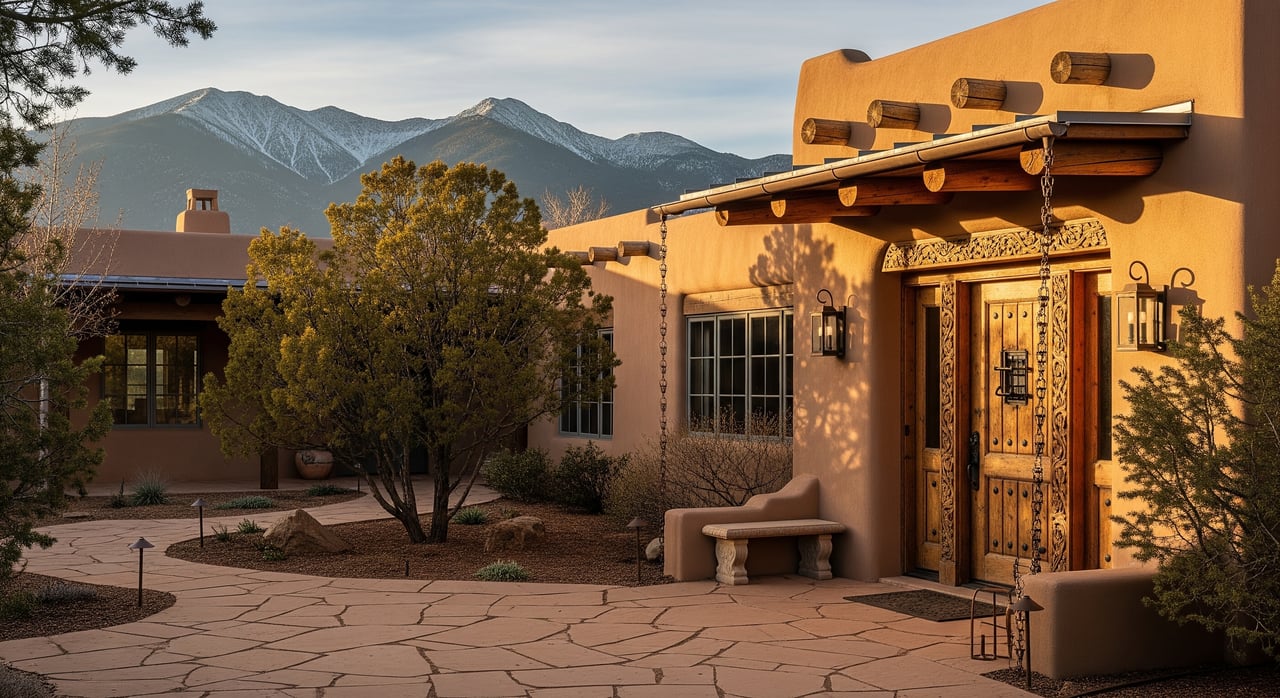
Trying to figure out how much earnest money to put down in El Prado can feel confusing, especially if you are buying here for the first time. You want to show a seller you are serious without putting your deposit at risk. In this guide, you will learn what earnest money is, what is typical around Taos County, how common contingencies protect you, and how to structure a competitive offer while staying safe. Let’s dive in.
Earnest money basics
Earnest money is a cash deposit you include with an offer to show good faith. It creates a financial stake in the contract and is typically credited to your down payment or closing costs at closing. If the transaction cancels under a qualifying contingency within the agreed timelines, the deposit is usually refunded per the contract.
Funds are placed with a neutral escrow holder named in the contract. That can be a title company, an escrow agent, or sometimes a brokerage trust account. The agreement should clearly state the deposit amount, the delivery deadline, who holds it, and the conditions for release.
Earnest money is separate from your loan escrow or impound account. It is also separate from the contingencies themselves. Think of the deposit as the money at stake, and the contingencies as the contract rules that protect it.
How much in El Prado
There is no fixed percentage required in New Mexico. In many markets, including Taos County, buyers commonly offer around 1 to 2 percent of the purchase price as earnest money. In more competitive situations, some buyers offer 3 percent or higher or a higher flat-dollar amount.
For lower-priced or rural properties, flat amounts such as $1,000 to $5,000 are sometimes used instead of a strict percentage. Price points vary widely around El Prado and greater Taos County, so expectations shift with the submarket and the property.
For context, here is simple math you can use:
- On a $250,000 home, 1 percent is $2,500 and 2 percent is $5,000.
- On a $600,000 home, 1 percent is $6,000 and 2 percent is $12,000.
Choose the right amount
Match your deposit to the market and the listing. In a balanced environment, about 1 percent or a modest flat amount can be sufficient. If a home is drawing strong interest or multiple offers, a larger deposit or other contract strengths can help you stand out.
Ask your agent to check recent comparable offers so you understand what sellers have been accepting for similar homes in the same price tier.
Contingencies that protect your deposit
Contingencies are contract clauses that allow you to cancel under specific conditions and receive your earnest money back, as long as you meet the deadlines and give proper notice. Once you remove a contingency, your deposit is more at risk.
Common protections include:
- Inspection contingency. If inspections reveal concerns and you cancel within the inspection period as the contract allows, the deposit is refunded. If you remove this contingency and then try to cancel for a known issue later, the seller may claim the deposit.
- Financing contingency. If you cannot obtain the agreed loan within the timeline and cancel according to the contract, the deposit is refunded. Missing steps or deadlines can put the funds at risk.
- Appraisal contingency. If the appraisal comes in below the price, you can negotiate, bring additional cash, or cancel under the terms. A qualifying cancellation generally returns your deposit.
- Title contingency. If the title search shows defects that cannot be cured, you can cancel and receive a refund.
- Sale of home contingency. If your purchase depends on selling your current home, the contract can allow cancellation if that sale does not happen by the agreed date.
- HOA, CC&R, or survey contingency. If you object to association rules or survey issues within the allowed period, you may cancel and reclaim your funds per the terms.
Pay close attention to deadlines and written notices. To preserve your refund rights, you must cancel in writing within the stated periods. Your agent can help track and deliver notices on time.
Escrow, timelines, and disputes
The contract will state who holds the funds and when you must deliver them. It is common to deposit within a few business days of acceptance, but always follow your specific contract language. Use traceable delivery methods and confirm receipt in writing.
At closing, the deposit is applied to the amount you need to bring to close. If you cancel under a valid contingency, the escrow holder returns the money according to the contract.
If a buyer defaults without a covered reason, the seller may have remedies that can include keeping the deposit as agreed damages or pursuing other options. If a seller defaults, the buyer typically receives the deposit back and may have further remedies. Many agreements require mediation or arbitration before litigation, and escrow will usually hold the funds until both parties instruct release or a final resolution is reached.
Protect your funds and stay competitive
You can balance protection and competitiveness with a smart offer strategy tailored to Taos County practices:
- Keep core contingencies but shorten timelines so sellers see your commitment.
- Line up inspectors who can work quickly so you can retain the inspection contingency and still move fast.
- Strengthen your lending documentation with a true pre-approval and, when practical, increase the earnest money to signal readiness.
- Consider other strengths beyond a bigger deposit, such as flexible closing or occupancy dates that fit the seller’s needs.
Delivery methods and wire safety
Send earnest money using secure, traceable methods such as a cashier’s check, a verified escrow portal, or a wire transfer to the escrow account listed in the contract. Avoid acting on emailed wiring instructions without verification. Call the title or escrow company using a known, independently verified phone number to confirm details before sending funds. Ask escrow to confirm receipt in writing to you, your agent, and your lender.
Tips for out-of-area buyers
If you are buying from outside Taos County, plan a little extra coordination so you can keep timelines tight and your deposit protected.
- Schedule inspections in advance when possible and be ready for quick appointments.
- Appoint your agent or a local representative to provide property access for inspectors and appraisers.
- Negotiate timelines that reflect realistic travel and vendor availability, but avoid open-ended periods that weaken your offer.
- Prepare proof of funds for the deposit and down payment. Higher-value homes often call for larger deposits and verified funds.
Action checklist
Use this quick checklist before you write an offer in El Prado:
- Get a lender pre-approval and gather proof of funds for the deposit and down payment.
- Ask your agent for comparable offer data on recent El Prado and Taos County deals in your price band.
- Decide on your deposit strategy: percentage vs flat amount, and how you will show strength.
- Set realistic but short contingency timelines, especially for inspections and financing.
- Confirm the escrow holder and their delivery instructions. Verify any wire instructions by phone to a trusted number.
- Track every deadline and notice in writing to preserve your refund rights.
What to expect at closing or cancellation
If all contingencies are satisfied and you proceed to close, your earnest money appears as a credit on your closing statement. If you cancel under a covered contingency within the allowed period and follow the notice rules, you should receive your deposit back from escrow. If a dispute arises, the escrow holder will follow the contract’s dispute and release instructions, which can include holding the funds until both parties agree or a final decision is made.
Talk to a local expert
Every El Prado property and price tier is a little different, and expectations can shift with the season and competition. A calm, local strategy helps you present a strong offer without taking on unnecessary risk. If you want to discuss deposit norms for a specific listing or craft a clean offer plan, connect with Antonio Martinez for a quick, friendly consult.
FAQs
How is earnest money used at closing in Taos County?
- It is typically credited toward your down payment or closing costs on the final settlement statement, per the contract.
What is a typical earnest money amount in El Prado?
- There is no fixed rule, but many buyers start around 1 to 2 percent of the price or use a flat amount for lower-priced or rural properties.
Can I get my deposit back after inspection issues?
- Yes, if you cancel within the inspection period under the contract’s terms and provide proper written notice.
Who holds the earnest money in local deals?
- The contract usually names a title company, escrow agent, or brokerage trust account as the neutral holder.
How fast do I need to deliver the deposit?
- Most contracts require delivery within a few business days of acceptance, but always follow the specific deadline written in your agreement.
What happens if the seller defaults on the contract?
- You typically receive your earnest money back and may have additional remedies as outlined in the contract.