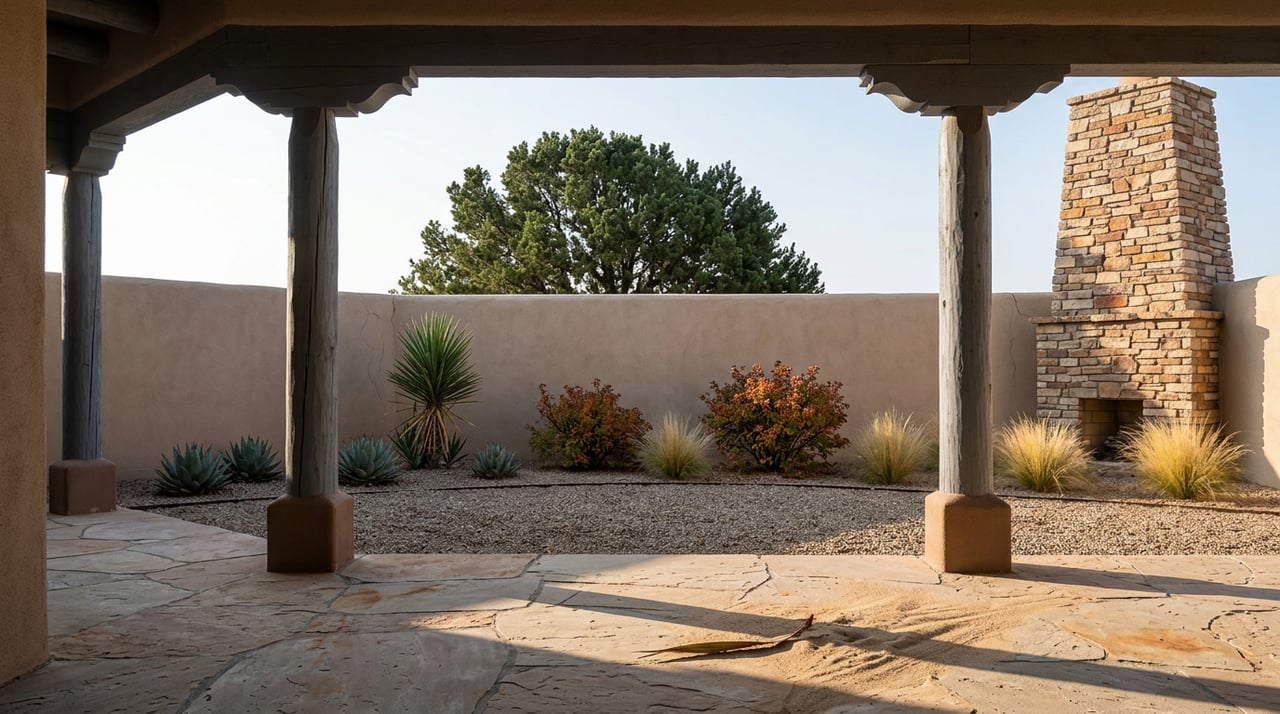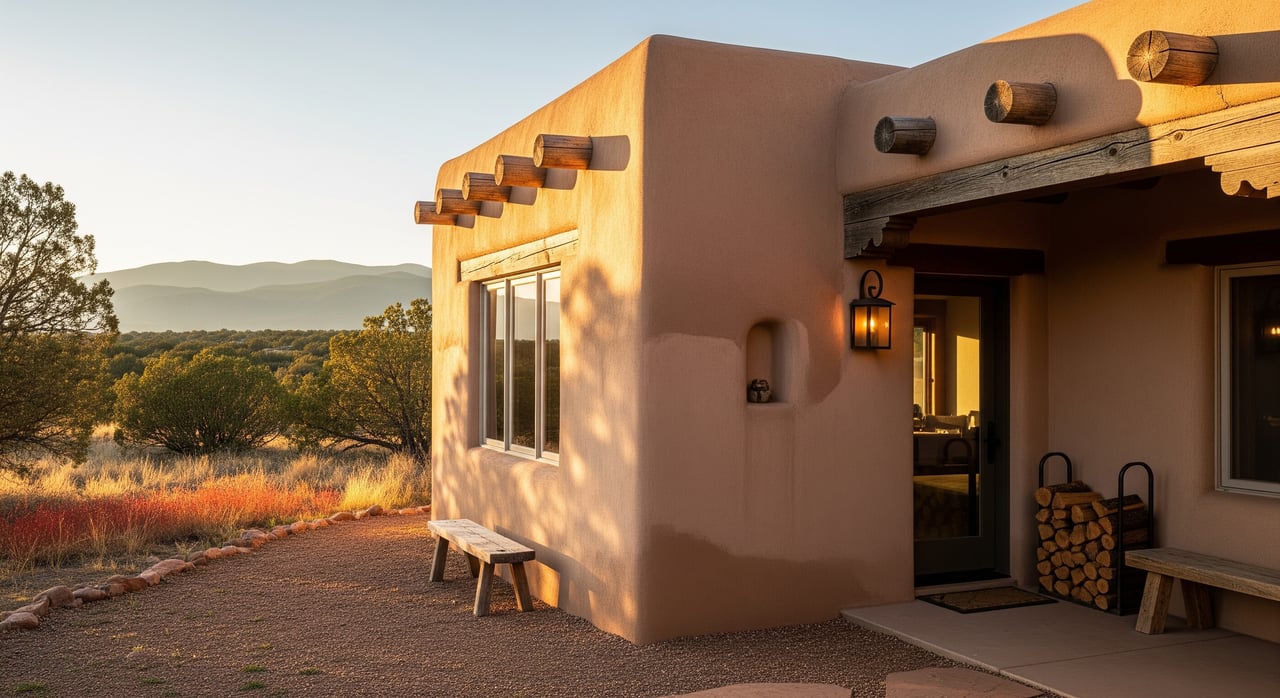
Own or eyeing an adobe home in Ranchos de Taos? These beautiful earthen houses reward thoughtful care, but the high desert climate can be tough on walls, roofs, and viga ends. With a simple plan and the right materials, you can preserve character, avoid costly repairs, and keep your home ready for the next monsoon or freeze. Below, you’ll learn what to inspect, which fixes are safe for adobe, and when to bring in a specialist. Let’s dive in.
Why adobe here needs unique care
Adobe thrives in our climate’s thermal swings, but moisture is the main risk. Ranchos de Taos sits near 7,000 feet, where winters bring freeze–thaw cycles and snow, summers deliver intense sun, and July–August monsoons can dump heavy rain in minutes. Large day-night temperature swings also stress finishes.
Because adobe is porous, it must shed water and breathe. Your goals are simple: keep walls dry, use compatible finishes, and move runoff away fast. A few smart habits will dramatically extend the life of your home.
Keep water off and away from walls
Grading and drainage
- Aim for a gentle slope away from walls. A common rule of thumb is about 6 inches of drop within the first 10 feet where space allows.
- Avoid berms or landscape features that trap water near the base. Regrade low spots after winter or big storms.
- Keep hardscapes slightly sloped so water does not collect against adobe.
Gutters and downspouts
- Where compatible with your roof, use gutters or canales to move water off parapets quickly.
- Extend downspouts or canales discharge well away from walls so splash does not hit the base.
- Clean debris before monsoon season and after wind events.
Protect the base
- Add a discreet base protection strategy, such as a low stone plinth, careful metal flashing at grade transitions, or planting beds stepped back from the wall face.
- Keep soil, mulch, and snow piles off the wall. Splash erosion at the base is a common failure.
- Avoid water-hungry plantings or irrigation right next to adobe.
Choose breathable finishes
Earthen and lime plasters
- Earthen (mud) plaster and lime plaster are compatible and breathable. They are sacrificial by design and meant to be patched.
- Inspect yearly for cracks, erosion, bulges, and loose areas. Patch small defects early with matching material.
- Reapply sacrificial mud plaster or limewash as needed. Exposure matters. Windward or sunny faces may need more frequent refreshes.
Avoid impermeable coatings
- Portland cement stucco and non-breathable paints trap moisture. This can accelerate damage to the adobe beneath.
- Use mineral pigments and colorants designed for lime or earth finishes rather than modern acrylic paints.
Small patching tips
- Clean and slightly dampen the area before patching, then apply an earthen or lime patch that matches texture and permeability.
- Build thin layers and allow controlled curing. Fast drying can crack new patches.
- Keep a small bucket of touch-up mix handy for quick, seasonal repairs.
About water repellents
- Breathable water repellents for masonry are not a substitute for good detailing. If you consider them, test first and consult a specialist. The wrong product can trap moisture.
Roofs, vigas, canales, and parapets
What to inspect
- Roof membranes: look for blisters, punctures, seams lifting, or ponding water.
- Viga ends: probe for softness, rot, or insect damage where beams penetrate parapets.
- Flashing: confirm counter-flashing at parapets and discrete flashing around viga penetrations.
- Canales and scuppers: keep them clear and verify they discharge away from walls.
Maintenance and repair options
- Address leaks quickly. Modern membranes like EPDM, TPO, or modified bitumen can work if detailed correctly with parapets and viga penetrations.
- If viga ends are deteriorated, a skilled carpenter can splice in sound sections and improve flashing to prevent recurrence.
- Consider modest drip edges or small overhangs where appropriate to reduce wall wetting.
Reduce splash-back
- Extend discharge spouts or canales to drop water into gravel beds away from the base.
- Add splash blocks where needed. Check for staining or erosion patterns after storms.
Foundations and pests
Watch the base and footing
- Inspect for settlement, cracks, or undermining from water flow. Stabilize grades and direct water away.
- Where historic houses lack moisture barriers, use careful base protection and good site drainage to limit capillary rise.
- A discreet, durable base detail can protect the wall without trapping moisture.
Rodents and insects
- Look for burrowing at the wall base. Use exclusion methods rather than heavy wet chemical treatments.
- Check vigas and roof structure for wood-boring insects. If you see frass, hollow sounds, or soft spots, consult a licensed professional.
DIY or call a pro?
Good homeowner tasks
- Seasonal visual inspections of walls, roof, canales, and downspouts.
- Clearing debris from drainage paths before monsoon season.
- Patching small cracks or surface erosion using compatible earthen or lime mixes.
- Reapplying limewash or thin sacrificial coats as needed.
Leave these to specialists
- Structural work on foundations, load-bearing walls, or major roof framing.
- Large-scale re-plastering or re-coating of extensive wall areas.
- Viga replacement or significant carpentry at roof penetrations.
- Waterproofing retrofits that alter the wall assembly or require through-wall flashing.
- Any work in a designated historic district that could affect protected materials.
Seasonal adobe maintenance calendar
Spring
- Inspect walls for freeze–thaw damage, new cracks, or eroded plaster.
- Check roof membrane and viga ends; clear lingering debris and ice remnants.
- Regrade any soil that settled toward the walls. Make small patches early.
- Clean gutters and downspouts. Confirm discharge routes carry water away.
Summer
- Ahead of monsoon season, clear canales, scuppers, and drains.
- After heavy rains, check for fresh erosion or splash-back at the base.
- Trim vegetation away from walls to reduce moisture and pest harborage.
- Touch up sacrificial coats on the most exposed elevations.
Fall
- Seal roof leaks and tune flashing before the first freeze.
- Address any insect or rodent issues from summer.
- Refresh limewash or thin protective coats where surfaces show wear.
- Verify chimneys and roof penetrations are sound and properly flashed.
Winter
- Remove heavy snow accumulations to limit saturation and roof loads.
- Do not pile snow or de-icer runoff at wall bases.
- Monitor interior humidity and allow ventilation to prevent moisture buildup.
One-page inspection checklist
- Exterior faces: note new cracks, erosion, bulges, or loose plaster.
- Base/plinth: watch for splash erosion, rodent holes, or soil piled against walls.
- Roof & vigas: look for membrane issues, rot at beam ends, and blocked canales.
- Gutters/downspouts: confirm clear flow and discharge away from adobe.
- Foundation: scan for settlement, undermining, or bulging at the base.
- Interior: look for damp spots at baseboards, efflorescence, or plaster delamination.
- After storms: check for splash marks or fresh erosion and make prompt small repairs.
Warning signs that need a specialist
- Large, spreading vertical or stair-step cracks, bulging, or leaning walls.
- Sagging rooflines or major deflection in roof framing.
- Multiple viga ends with rot or hollow sound.
- Recurring wet spots after prior repairs.
- Major plaster loss exposing large areas of adobe.
- Evidence of foundation movement or undermining.
- Moisture-damaged embedded utilities or wiring.
Who to call
- Adobe mason or earthen plaster specialist for compatible mixes and repairs.
- Historic preservation contractor or conservator for designated properties.
- Structural engineer with earthen-construction experience for stability or framing issues.
- Roofing contractor experienced with low-slope parapet details and viga penetrations.
- Licensed pest control that focuses on non-invasive exclusion methods.
- Local building officials and the state preservation office for permit and review steps.
Vetting contractors
- Request photos and references for adobe work in similar climates.
- Ask about materials and methods. Favor breathable earthen or lime systems.
- Verify insurance, licenses, and experience with local codes and historic guidelines.
- Prefer teams that test a small patch, document their mix, and adjust before full work.
Permits and historic guidelines
- Structural, major roofing, or foundation work typically requires permits with Taos County or the local jurisdiction. Confirm requirements before you start.
- If your home sits in a historic district or has a designation, contact the state preservation office and any local commission for approved materials and methods.
- There may be technical assistance or tax guidance for qualifying historic rehabilitations. Ask early to understand your options.
Keep records and plan ahead
Good maintenance is a rhythm. Keep notes, dates, and photos of each repair, including the mix used and where it was applied. This helps you spot patterns and makes future touch-ups faster and more accurate.
Thoughtful, compatible care protects your home’s fabric and supports long-term value. If you are buying or selling an adobe in Ranchos de Taos, it pays to understand what to inspect and how to budget for care. Ready to talk through options specific to your situation? Connect with Antonio Martinez for a friendly, local perspective and schedule a free consultation.
FAQs
What makes adobe maintenance different in Ranchos de Taos?
- High elevation, freeze–thaw winters, intense UV, and brief but heavy monsoon storms mean moisture control and breathable finishes are essential.
Which exterior coatings are safe for adobe walls?
- Earthen plasters, lime plasters, and limewash are compatible and breathable, while portland cement stucco and non-breathable paints should be avoided.
How do you spot viga problems before they spread?
- Check beam ends at parapet penetrations for softness, discoloration, separation, or hollow sounds, and inspect roof flashing and membranes nearby.
Do adobe homes need gutters in the high desert?
- Where compatible, gutters or well-detailed canales help move water away quickly and reduce splash-back at the base, especially during monsoon storms.
When should a buyer bring a specialist to an adobe inspection?
- Involve a pro if you see large cracks, bulging walls, viga end deterioration, recurring leaks, or if the property may have historic requirements.