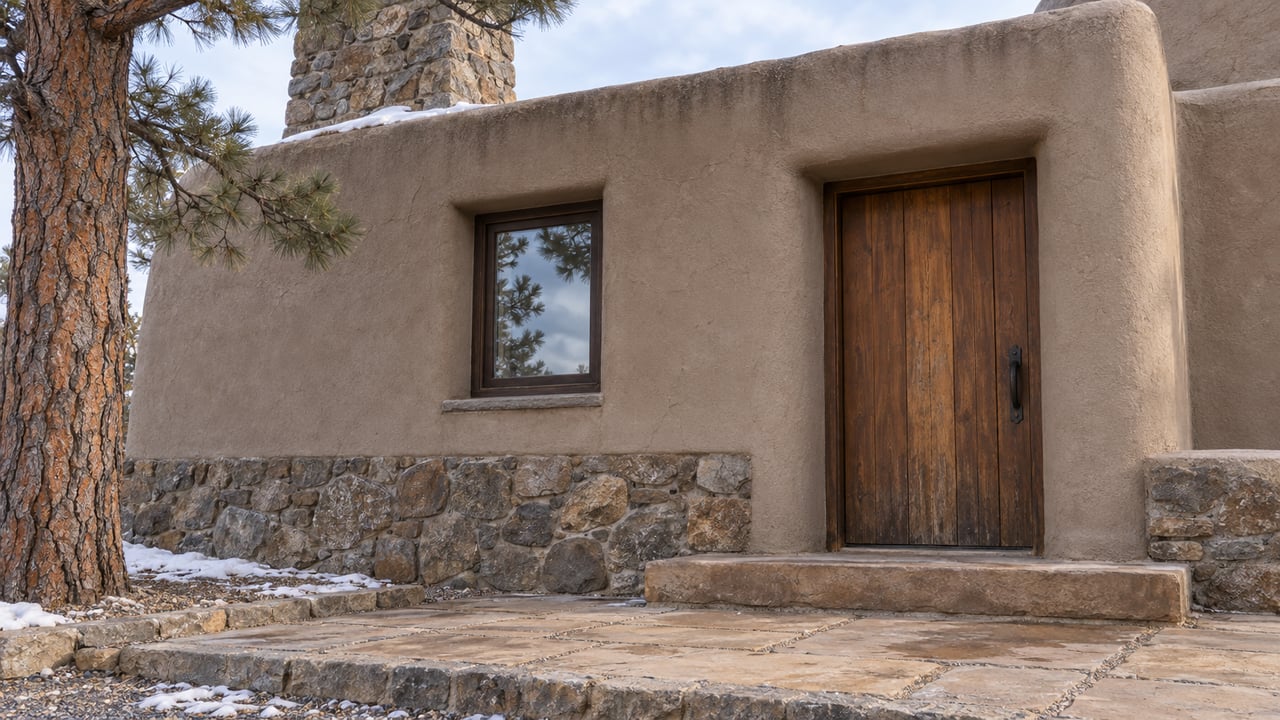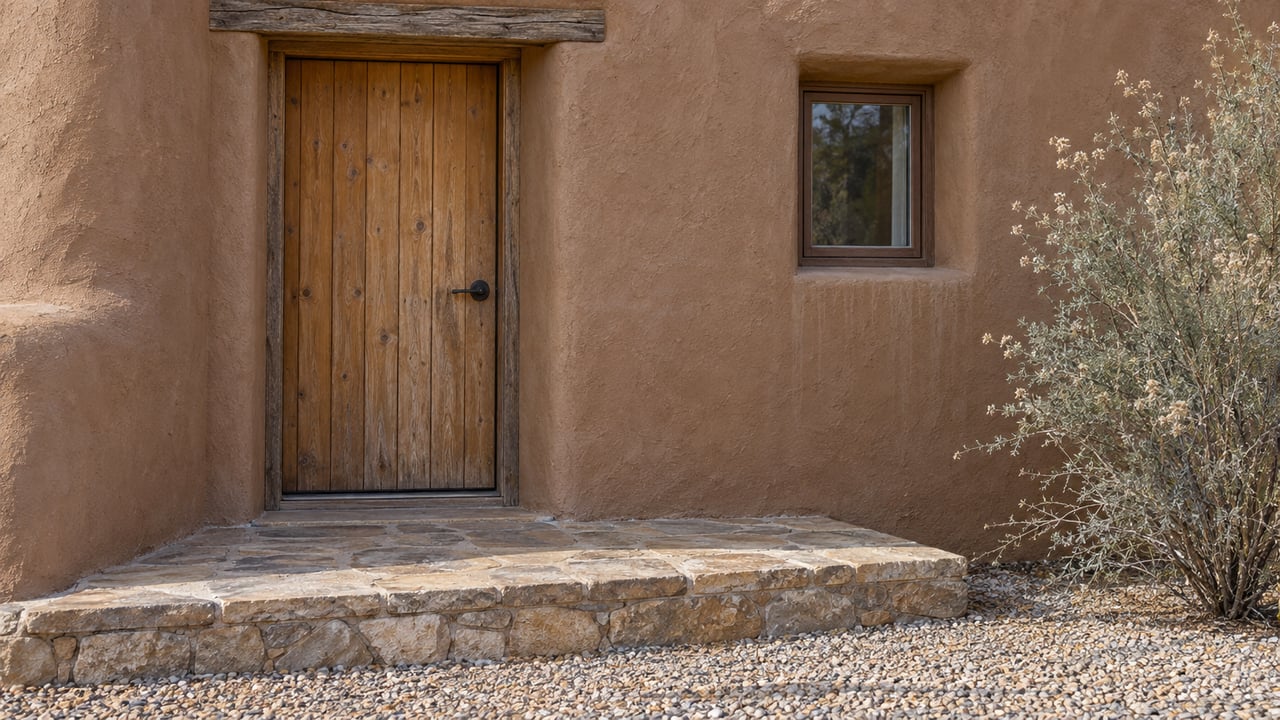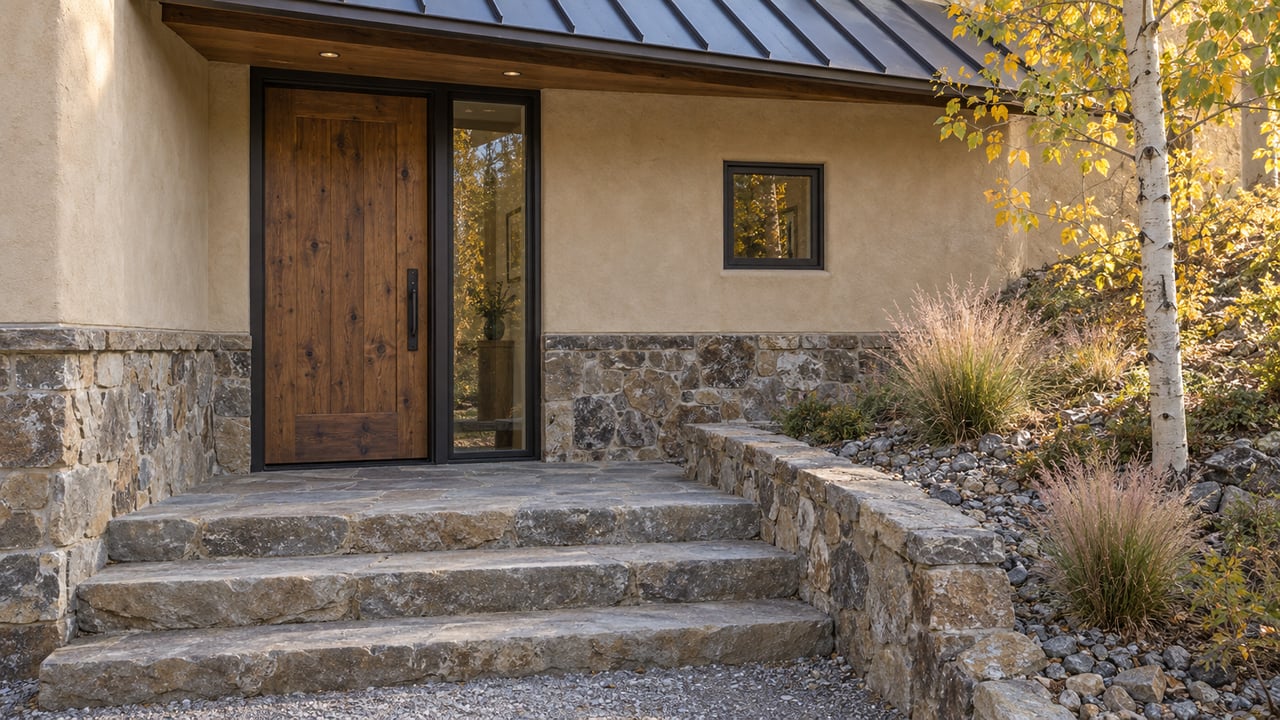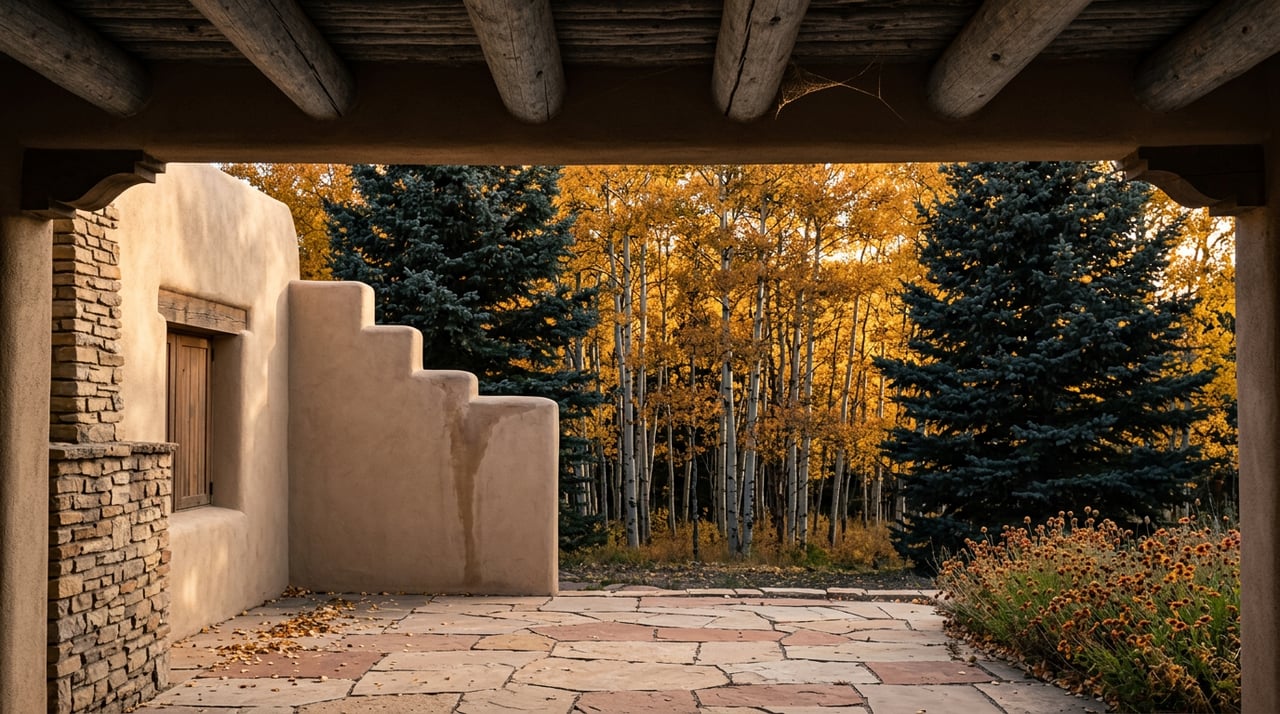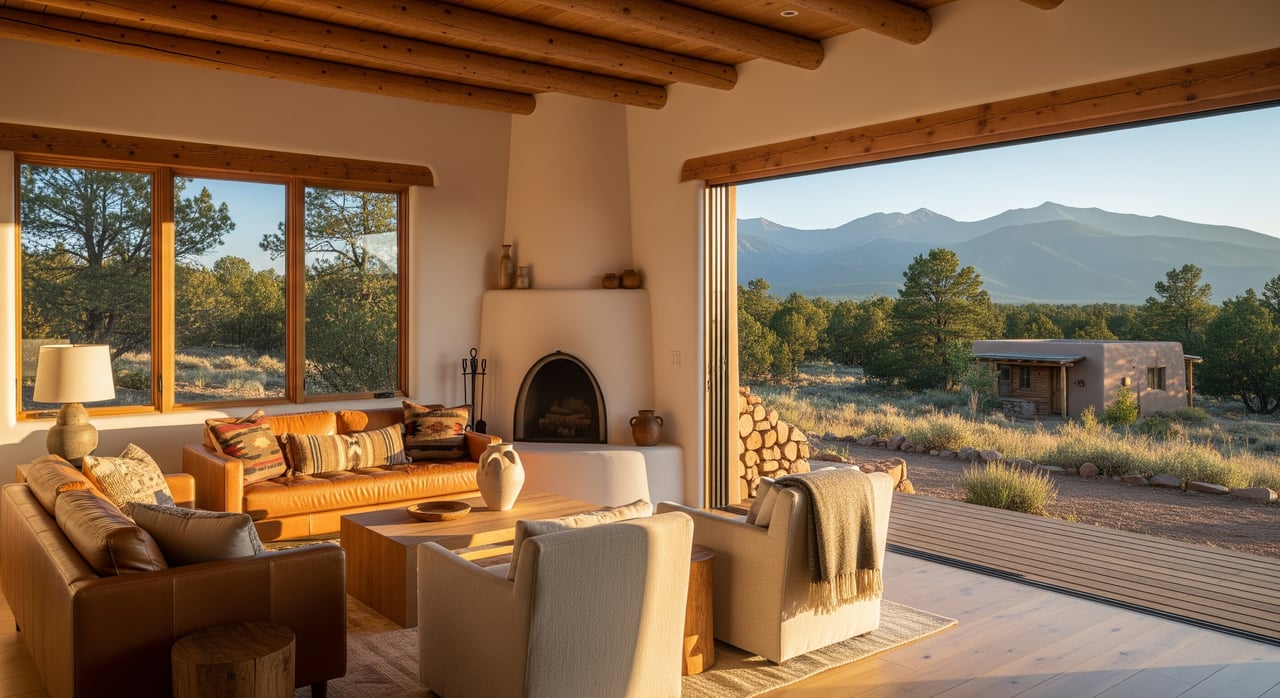
Torn between a low-maintenance condo and a private mountain cabin in Arroyo Seco? It is a great problem to have, especially if you love quick access to Taos Ski Valley and the quiet beauty of El Salto. The right choice comes down to how you plan to use the home, what level of upkeep you want, and how important privacy and rental flexibility are to you. In this guide, you will compare both options in plain language so you can buy with confidence. Let’s dive in.
Arroyo Seco and El Salto snapshot
Arroyo Seco and the El Salto area sit on the southern approach to the Sangre de Cristo mountains, just down the road from Taos Ski Valley. You will find small condo clusters near the valley floor and more secluded cabins tucked into the foothills. Many properties feel rural, with a mix of paved and private roads and a few local amenities along the route toward Taos. This setting is ideal if you want mountain access, arts and culture in Taos, and a slower pace.
Condo vs cabin at a glance
- Condos offer lock-and-leave convenience, shared maintenance, and typically a lower entry price. You will balance those benefits with HOA fees and community rules.
- Cabins offer privacy, outdoor space, and that classic mountain vibe. You will take on more hands-on maintenance, especially for wells, septic systems, and winter access.
- Your commute to Taos Ski Valley varies by exact location and weather. Properties higher on mountain roads can add drive time, especially after storms.
Maintenance and operations
Condos
In most condo communities, the HOA handles exterior items like the roof, siding, landscaping, snow removal of shared areas, and common utilities. You are responsible for interior systems such as appliances, HVAC, and finishes. This setup is ideal if you want a second home that is easy to manage from afar. Always review the HOA documents to confirm maintenance responsibilities and any planned projects.
Cabins
With a cabin, you handle most exterior care, including roof, decking, siding, and snow clearing for your drive or parking area. Many cabins use private wells and septic systems, which require regular testing, pumping, and periodic repair. Wood exteriors, chimneys, and rural road access add to the upkeep. If you love the independence and outdoor space, the tradeoff is more time and budget for maintenance.
Ongoing costs to plan for
Condos
Expect HOA fees that cover shared services like exterior care, snow removal of common areas, and possibly water, sewer, or trash. Fees can change over time and may include special assessments for big repairs. Utilities may be partly included depending on the project. Your budget should also account for insurance on your unit’s interior and personal property.
Cabins
You may not have an HOA, or you may have modest dues if you are in a gated or managed enclave. Plan for higher direct costs such as heating fuel or electricity, well and septic servicing, and private road plowing if applicable. Exterior maintenance, including roof and deck care, is your responsibility. Insurance can be higher for mountain homes, especially in areas with wildfire exposure.
Both
Property taxes are set at the county level. Second-home owners do not receive primary residence exemptions. Insurance costs vary by location, elevation, and risk factors like wind, hail, snow load, wildfire exposure, and proximity to creeks or arroyos. A local insurance quote is an essential early step.
Privacy and lifestyle fit
Condos
You will be closer to neighbors and shared spaces, which can be a plus if you like a sense of community. Lock-and-leave convenience makes spontaneous trips easy. Some projects offer amenities that enhance your stay. If your priority is time on the mountain and minimal chores, a condo can be a strong fit.
Cabins
You get more privacy, larger lots, and room to enjoy outdoor spaces like private decks or firepits. You also get more control over your property and the freedom to personalize. If you want the most “mountain” feel and do not mind regular upkeep, a cabin offers a classic northern New Mexico retreat.
Proximity to Taos Ski Valley and access
Properties closer to NM-150 and major access roads generally offer quicker drives to the ski area. Homes higher on mountain roads, deeper in El Salto canyons, or on private drives may require four-wheel drive or chains in winter. Storms can add significant travel time. Before you buy, confirm who plows the road, how often it is maintained, and whether your driveway has adequate turnaround space in winter.
Rental potential and rules
Short-term rental demand is seasonal, with strong winter ski interest and a lively summer season. Revenue depends on bedroom count, amenities, finish level, and proximity to Taos Ski Valley.
- Condos: HOAs often have explicit short-term rental rules. Some allow them with registration and taxes, while others restrict or prohibit them. Review the governing documents before you assume any income.
- Cabins: Detached homes may be easier to operate as short-term rentals where zoning allows. You still need to confirm septic capacity, parking limits, and any neighborhood rules.
- Local regulations: Taos County and the Town of Taos have updated short-term rental requirements in recent years. Expect registration, lodging tax remittance, and possible safety or parking standards. Always verify current rules for your specific address.
Insurance, hazards, and risk
Mountain properties can face unique risks. Wildfire exposure can affect insurance availability and cost, and some carriers request ember-resistant exterior features. Heavy snow years make roof load ratings, insulation, and ventilation important to prevent ice dams. If a property is near a creek or arroyo, review flood designations. Work with a local insurance professional who knows Taos-area underwriting for wood exteriors, fireplaces, and well or septic systems.
Financing and taxes
Second-home financing often requires larger down payments and cash reserves than a primary residence. Condo loans can require project approval and may be limited if an HOA has high investor concentration or unresolved financial issues. Remote cabins, private wells and septics, or nonstandard systems may lead to stricter lending terms. On the tax side, plan for county property taxes at second-home rates and lodging tax obligations if you plan to rent short-term. Confirm requirements early to avoid surprises.
Inspections and due diligence
For cabins
- Septic inspection and pump, plus documentation of system capacity
- Well yield test and water quality report
- Roof, structure, and snow load review
- Chimney and fireplace inspection
- Access evaluation during winter conditions if you plan winter use
For condos
- Full HOA document review, including budgets, reserve studies, meeting minutes, rules, and insurance certificates
- Check for any pending litigation or special assessments
- Clarify maintenance responsibilities between unit owner and HOA
Utilities and connectivity
Cabins commonly rely on private wells and septic systems, while condos are more likely to use communal or municipal services. Internet and cell coverage can vary across mountain pockets, so confirm availability if you work remotely or rely on streaming. Rural emergency response times may be longer than in town, which is important to know for year-round use.
How to decide: a simple checklist
Use this quick self-assessment to align your choice with your lifestyle and budget:
- How often will you use the property, and in which seasons?
- Will you rent when you are not using it, and do HOA and local rules allow it?
- Do you want lock-and-leave convenience, or more privacy and outdoor space?
- Are you comfortable managing well, septic, and private-drive snow removal?
- Do you need year-round, two-wheel-drive access? If yes, favor lower elevation and plowed roads.
- What is your full budget, including HOA fees if applicable, utilities, insurance, and snow removal?
Your next steps
If you lean condo, request HOA documents early so you can confirm rental policies, reserve strength, and upcoming projects. If you lean cabin, schedule well and septic tests and line up a winter access plan before you close. In both cases, get a local insurance quote, confirm utility options, and review recent comparable sales so your offer reflects current market dynamics. A local guide helps you balance lifestyle, access, and long-term value.
Ready to compare specific properties, drive times, HOA rules, and rental potential side by side? Reach out to Antonio Martinez for a friendly, local walkthrough tailored to how you plan to use your Arroyo Seco retreat.
FAQs
What should I consider first when choosing a condo or cabin in Arroyo Seco?
- Start with your use pattern, maintenance tolerance, and winter access needs, then layer in budget, insurance, and rental rules for the specific property.
Do condos near Arroyo Seco usually allow short-term rentals?
- Policies vary by HOA, so confirm the governing documents and any registration, taxes, or minimum-stay rules before assuming rental income.
How does winter access affect my decision between condo and cabin?
- Condos often sit closer to main roads, while uphill cabins may require four-wheel drive or chains after storms, so verify plowing responsibility and frequency.
What inspections are most important for cabins in El Salto?
- Prioritize septic, well yield and quality, chimney, roof and structure for snow load, and a winter access check if you plan cold-season use.
Are insurance costs different for condos and cabins near Taos Ski Valley?
- They can be, since cabins may face higher wildfire and snow-related risks; get quotes for each target property to compare true costs.
Can I find reliable broadband for remote work in Arroyo Seco?
- Service varies by pocket, so confirm provider coverage at the specific address, especially for higher-elevation or canyon properties.